
Bonuses and concessions
Home renovation bonus 2026: how much you get back and how to claim it
14 min readCAF Cinisello Balsamo

Quick summary
- What to know right away: The home renovation bonus in 2026 still pays 50% on the main home and 36% on other houses, on a maximum spend of 96,000 euro per property.
- Deadline or duration: The route at our CAF patronato of Cinisello Balsamo, in Via Oreste Terenghi 21/23, is simple.
- Who it is for: Bonuses and concessions: application handled by our CAF in Cinisello Balsamo for residents of the surrounding towns.
- Documents and details included: Receipts for the talking bank transfers with every reference required.
- How to book or get help: Book an appointment: +39 02 8716 5567 · WhatsApp: +39 329 713 9762 · Via Oreste Terenghi, 21/23, Cinisello Balsamo (MI)
The home renovation bonus in 2026 still pays 50% on the main home and 36% on other houses, on a maximum spend of 96,000 euro per property. The money comes back over ten years through the tax return, but only if payments, invoices and documents are put together properly. In this guide we explain in plain words how much you get, which works qualify and how to claim every euro of it.


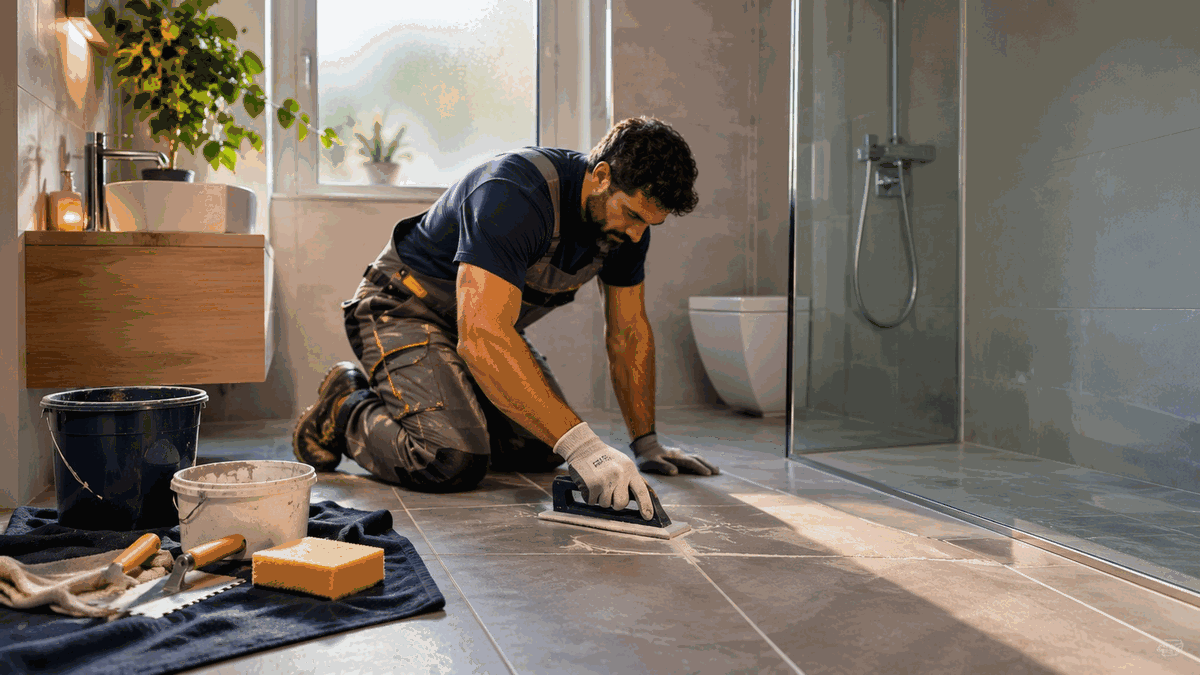

What the home renovation bonus is

Roberto and Loredana have lived in Cinisello Balsamo for twenty years, in a flat that still had the kitchen from the 1980s. They started the works in January: floors, wiring, bathroom. In July, when they asked at the counter «is it true that part of it comes back to us?», the answer was yes: it is called the home renovation bonus, and it is one of the oldest and most concrete deductions that exist in Italian law.
The mechanics are simple. You pay for building work on the property; the State gives back a percentage of what you spent, not in one lump sum, but by subtracting it from the tax you pay every year, for ten years running. It is called an IRPEF deduction: it is not a prize and it is not a loan, it is a slice of the tax you pay that stays with you instead of going to the State. This is why it works only if you pay enough tax: we come to that in a moment.
In short
In 2026 the home renovation bonus gives back 50% on the main home and 36% on the other houses, on a maximum spend of 96,000 euro per property. The deduction is split into ten equal yearly instalments and is claimed through the annual tax return. Payments, invoices and documents done properly are worth as much as the works themselves.
How much you really get: 50%, 36% and the 96,000 euro ceiling

The question we hear most often at the counter is: «how much comes back to me?» The answer depends on two things: which house it is and how much you spend. In 2026 the rules were confirmed by the Budget Law, so the picture is the same as last year.
Main home or second home: the percentage changes
- Main home in 2026: a deduction of 50% of the money spent, up to 96,000 euro per property (outbuildings with the same use count towards the limit).
- Other houses in 2026, so second homes and rented properties: a deduction of 36%, still up to 96,000 euro.
- In 2027 the rates come down: 36% on the main home and 30% on the others, with the same 96,000 euro ceiling.
- In the periods after that, from 2028 to 2033, the deduction stays at 30% for everyone: whoever can start the works this year starts at the highest rate.
The 96,000 euro ceiling is per property and is worked out on the total cost of the whole job, not on each single invoice. If the works started years ago and carry on into 2026, the limit is calculated taking into account what has already been spent in earlier years as well: it is one of the mistakes that costs the most money, because the part above the limit cannot be deducted.
A worked example with real numbers
Back to Roberto and Loredana: 30,000 euro of spending on the main home. With the deduction at 50%, 15,000 euro fall inside the bonus and are split into ten equal instalments: 1,500 euro less in tax every year for ten years. It is not 15,000 euro straight away, and this is the point that many people discover too late: the bonus arrives a bit at a time, in the tax return of every single year.
Watch how much IRPEF you pay
The deduction is subtracted from the tax you owe: if in one year you pay less IRPEF than the deduction is worth, the excess is not refunded and does not carry over to the following year. People on low incomes, with years out of work or with many deductions already running risk not recovering everything. Before signing a works contract worth tens of thousands of euro, the sums for your tax position come first: in the office we do that in a few minutes, with your latest 730 or your single certificate in front of us.
The golden rule
The home renovation bonus is not an immediate refund: it is ten years of paying less tax. The final value depends on two factors you can check before the works start: the rate that applies to your house and the IRPEF room of your income.
Who can claim the deduction

You do not have to own the whole house, and you do not even have to be the name on the only contract. The basic rule is that the deduction goes to whoever actually pays for it: the documents, the bank transfers and the invoices must carry their details. The people who qualify are:
- The owner or the bare owner of the property, and whoever holds a real right of use, such as the usufruct holder.
- Whoever holds a personal right of use: tenants and people who have the property under a loan-for-use agreement, for the works they pay for.
- The family member living with whoever holds the property: so the spouse, relatives within the third degree and in-laws within the second, and also an unmarried partner, provided they pay and the invoices are in their name.
- Whoever has signed a registered preliminary contract and has already taken possession of the property: the works they pay for count for them.
These are situations we see every week in Cinisello Balsamo: the son renovating the house where he lives with his parents, the couple renting who change the boiler, the woman sorting out the flat she had bought on a preliminary contract. In all of these the right to the deduction is there, but only if the chain of documents lines up: who pays, who receives the invoice and who bears the cost have to be the same person. If your situation is not a standard one, bring it to the office and we look at it together before anything starts.
Which works qualify for the bonus

The bonus covers the work on the building stock allowed by the law, that is the actual works on the home or on the shared parts of the building. The most common are:
- Extraordinary maintenance: redoing bathrooms and systems, knocking down partition walls, new windows, changing the internal layout.
- Restoration, conservative repair and building restructuring, the heavier works that change the structure or the floor plan of the house.
- Ordinary maintenance, but only on the shared parts of residential buildings: redoing the courtyard or the communal entrance hall counts, painting a room inside your flat does not.
- Making the home safe, removing architectural barriers with lifts and service hoists, cabling buildings, asbestos removal, seismic works.
- Works linked to the main job, such as building an attached garage, recovering lofts and cellars and the external landscaping works.
What does not qualify
Ordinary maintenance inside individual flats stays outside: replacing the bathroom fittings, painting the walls or putting up a new internal door do not give the right to the bonus. And there is an important exclusion that arrived recently: from 2025 the cost of replacing the winter heating system with a single boiler running on fossil fuels is no longer deductible. The boiler can still be changed within the bonus if the job aims at renewable technologies or high-efficiency hybrids, and in that case it pays to frame the works properly before ordering anything.
Before the works: permits and notifications
Depending on the job you need a building permit, a CILA, a SCIA or simply the notification for free building works: these are applications that the firm or your technician prepares, but they must be kept with the filing receipt. If the works bring energy savings, such as windows, external insulation or heat pumps, there is also the notification to ENEA to send within 90 days of the end of the works: without that receipt the energy saving risks not being recognised. At our CAF patronato we check that the paperwork is complete before the expense goes into the 730.
How to pay and which documents to keep
Payment is the point where more deductions are lost than anywhere else. For renovation spending you need the so-called talking bank transfer: a bank or post office transfer whose reference line states the rule on renovations, the tax code of whoever pays and the tax code or VAT number of the firm receiving the payment. On the transferred amount the bank withholds an 11% advance which the firm recovers with its own tax return: that is normal, it is not an extra cost for you. Cash is no good, and neither is a plain transfer with no reference line: if that payment is checked, it does not count.
For the furniture bonus the special transfer is not compulsory instead: credit card or debit card are fine too, as long as the payment is traceable. That said, the habit in our office is always the same: one clear bank transfer is worth more than ten explanations afterwards.
- Invoices from the firms and the professionals who carried out the works.
- Receipts for the talking bank transfers with every reference required.
- Planning permissions with the filing receipt: building permit, CILA, SCIA or notification of free building works.
- The residents' meeting resolution and the share table, for works on the shared parts of the building.
- Receipts for the IMU payment, where the property is liable for it.
- The owner's declaration of consent, where the works are done by someone renting or holding the property on loan.
- The receipt of the ENEA notification with the CPID code, for the works that touch energy savings.
Keep it all
Keep everything for at least ten years, as long as the deduction lasts. In a tax check the invoice alone is not enough: you need the whole chain of documents proving who paid, for what and under which permission. An organised folder today is worth thousands of euro tomorrow.
Furniture bonus, credit transfer and what changes from 2027
The 2026 furniture bonus runs alongside the works
Whoever carries out an extraordinary maintenance job or a heavier one can add the furniture bonus: a 50% deduction on new furniture and large appliances bought for the renovated property, on a maximum spend of 5,000 euro for 2026. The bonus is tied to the works: it becomes available when there is a qualifying main job, and it covers furniture, sofas, beds and appliances of a high energy class. Only traceable payments count, and here too the date of the payment is what matters.
Invoice discount and credit transfer: almost never any more
For years people talked about «I have the works done and I pass the credit to the bank». For the ordinary renovation bonus that road is closed: since February 2023 the invoice discount and the credit transfer are no longer admitted, except in the few residual cases the rules still provide for. The ordinary way of enjoying the bonus is therefore to claim it year by year with the tax return, in ten instalments. If a firm offers you an «instant discount» linked to the renovation bonus today, be careful and come to the office before accepting: for the overwhelming majority of works it is no longer a real option.
From 2027 the rates come down
The most favourable window is now. In 2027 the deduction drops to 36% on the main home and to 30% on the other houses, with the same 96,000 euro ceiling. Whoever had works in mind over the next couple of years does well to put them in the calendar this year, even just for the share of spending that can be covered by December: the difference on the total is felt. In the years ahead the rate is set to stay at 30%, so every serious refurbishment done now is worth more than one put off.
How to claim the bonus with the CAF of Cinisello Balsamo
Claiming the home renovation bonus is a job of precision, not of strength: the deduction goes into the dedicated section of the 730 or of the Redditi return, year after year, for all ten years. Our task is to turn your folder of documents into a correct return, and to check that every expense has the right to the deduction before it becomes a problem.
The route at our CAF patronato of Cinisello Balsamo, in Via Oreste Terenghi 21/23, is simple. You book the appointment: we are open from Monday to Friday, 10:00 to 12:30 and 15:00 to 19:00, and you can call us or write to us on WhatsApp. At the appointment a member of staff checks your documents, verifies the rate you are entitled to and the IRPEF room of your income, enters the expense in the return and shows you the result before it is sent. The quote for our service is given to you before starting, and the first consultation in the office is free. You do not have to prepare applications online or learn the rules: we fill in, check and send it for you.
- ID document and tax code, yours and your spouse's if you file the return together.
- Invoices and receipts for the talking bank transfers of the works, with the firm's details.
- Planning permissions and, where required, the receipt of the ENEA notification.
- Any condominium documents: the resolution and the share tables.
- The previous year's return, so we can check straight away which instalments have already been taken and which are left.
Back to Roberto and Loredana. They brought into the office an envelope full of invoices, seven bank transfers and the permission from the council. In an hour they had the return ready, with the first instalment of the bonus already in sight in the January payslip. «We thought it was going to be some huge ordeal», said Loredana. Instead all it needed was the right paperwork, and someone reading it with care.
The questions we are asked most
The five questions that come up most often at the counter on the home renovation bonus. If yours is not here, call us: the first consultation in the office is free.
Document checklist: check your application in 30 seconds
Tick the documents you already have: you arrive prepared at the counter and avoid a second trip.
0/7
Time saved at the counter: up to 30 minutes
Message us on WhatsAppQuestions we get most often
How much do you get with the home renovation bonus in 2026?
50% of the money spent on the main home and 36% on the other houses, up to a maximum of 96,000 euro per property. The deduction is split into ten equal yearly instalments and is claimed through the tax return. In 2027 the rates drop to 36% and 30%.
Which documents does the home renovation bonus need?
Invoices for the works, receipts for the talking bank transfers with the reference line, the tax code of whoever pays and the VAT number of the firm, planning permissions with the filing receipt and, for the works that touch energy savings, the receipt of the ENEA notification. For works on the shared parts of a building you also need the resolution and the share tables. We check them for you at the appointment, one by one.
Can I have the invoice discount or the credit transfer?
For the ordinary renovation bonus, no: since February 2023 these options are no longer admitted, except in a few very specific residual cases. The normal route is to claim the deduction over ten years with the tax return. If a firm offers you an instant discount linked to the bonus, bring us the quote before accepting.
Does the bonus apply to a second home as well?
Yes, but at a different rate: in 2026 the deduction is 36% on houses other than the main one, still within the limit of 96,000 euro per property. It applies to rented properties too, if the cost is borne by whoever is entitled to the deduction.
What happens if I do not pay enough IRPEF?
The part of the deduction that goes beyond the tax owed is not refunded and does not carry over to the following years: you risk losing it. That is why, before the works, it is worth checking your tax position: in the office we look at it with your latest 730 and we tell you honestly how much of the bonus you would really recover.
Recommended
- 730 / Income Tax Return
- pre-filled 730 2026 - Pre-filled 730 2026: what it is, the dates and how to check it
- when does the CUD arrive - CUD INPS 2027: when it arrives and who receives it
- child tax deduction 730 - Child tax deduction 730 2026: how to claim for your children without mistakes
- mortgage deduction 730 - Mortgage deduction 730: how to claim back the interest on your first home
- pensioners tax return Italy - Pensioners tax return 2026: who must file and how to do it
- mortgage interest deduction 730 - Mortgage interest deduction 730: how much you get back every year
- medical expenses deduction 730 - Medical expenses deduction 730: how to get 19% of your treatment costs back
- CU Italy 2027 - CU Italy 2027: the Italian Single Certification, what it is for and when it arrives
- correct 730 after filing - Correct 730 after filing: how to fix it after the deadline
- 730 integrativo deadline - 730 integrativo deadline 2026: what it is and when to file
- 730 refund when does it arrive - 730 refund 2026: when it arrives and how to check the payment
- 730 in debit - 730 in debit: what happens and how to put it right, step by step
- Italy pre-filled 730 - Pre-filled 730 Italy: what it is and how to check it without mistakes
- 730 tax return deadline - 730 tax return deadline 2026: 30 September is the last day to file
- IMU and Local Taxes
- imu 2026 first instalment - IMU 2026: the first instalment on 16 June, who pays and how it is calculated
- IMU deadlines 2026 - IMU deadlines 2026: the June instalment and the dates you cannot miss
- IMU deadline 2026 - IMU deadline 2026: the right dates and the sums that add up
- imu rates cinisello balsamo - IMU in Cinisello Balsamo: the 2026 rates
- imu 2026 second instalment - IMU 2026: the second instalment due 16 December
- tari 2026 deadline - TARI 2026 deadline: instalments and final balance in Cinisello Balsamo
- NASpI and Unemployment
- naspi application cost - NASpI application cost: what you pay and what the service includes
- NASpI benefit buying a home - NASpI benefit and buying a home: what you really get and how to move
- when does naspi payment arrive - NASpI payment: when it arrives and how to check the credit
- how to apply for naspi - How to Apply for NASpI 2026: Eligibility, Deadlines and Amounts
- Modello Redditi PF (formerly Unico)
- IRPEF instalment payment code - IRPEF instalments and payment code: the guide to the November payment
- file a late tax return - Omitted tax return: how to fix it without losing your head
- F24 advance payment deadline - F24 advance payment deadline 2026: 30 November and how to get it right
- Italy tax return deadline 2026 - Modello Redditi PF 2026 Deadline: the two November dates to remember
- Tax Advice and Disputes
- register for VAT in Italy - Register for VAT in Italy 2026: the deadlines of your first year
- INPS tax bill instalments - INPS tax bill instalments: how to pay monthly without losing the plan
- F24 third-quarter deadlines - Third-quarter F24 deadlines: advance payment, VAT and what to do if you pay late
- Italy tax advance payments 2026 - Income tax advances 2026: what you pay in November and what you pay in December
- Patronato INPS and Pensions
- 13th month pay 2026 when it arrives - 13th month pay 2026: when it arrives and who gets it
- early retirement for women Italy - Early retirement for women: requirements, exit windows and 2027 changes
- tfr from 1 july 2026 - TFR from 1 July 2026: what changes and how you choose
- ISEE and DSU
- pre-filled ISEE INPS - Pre-filled ISEE INPS: what it is, what it contains and how to file it
- dsu 2026 isee - DSU 2026: when to request it and how to file it without errors
- ISEE 2026 income 2024 - ISEE 2026 income 2024: what you need and how to prepare the DSU
- Assegno Unico and Social Bonuses
- energy bills bonus 2026 - Energy bills bonus 2026: discounts on electricity, gas, water and waste
- italy single allowance 2026 - Italy single allowance 2026 and newborn bonus: the real figures and the dates to remember
- Tax Bonuses and Reliefs
- ENEA tax deduction 2026 - ENEA tax deduction 2026: rates, notification and deadlines
- Italy driving licence bonus 2026 - Driving licence bonus 2026: who gets it and how the voucher works
- Immigration and Residence Permits
- work residence permit italy subordinate work - After the nulla osta: visa, contract of stay and work permit
- flows decree employer requirements italy - Flows Decree for employers: requirements, documents and mistakes to avoid
- Tenancy Agreements
- rental contract types - Rental contract types and deadlines: what to check
- cedolare secca 2026 - Cedolare secca and rental income in 2026: rates, dates and the right choices
- Civil Disability and Legge 104
- attendance allowance Italy 2026 - Attendance allowance Italy 2026: amounts, requirements and how it works
- Inheritance and Cadastral Transfers (Volture)
- inheritance deadlines - Inheritance deadlines: what has to be filed and when
- Cadastral and Mortgage Searches (Visure)
- land registry search - Land registry search: when you really need one and how to request it
- SPID and Digital Identity
- SPID and CIE - SPID and CIE: what they are for and when you need them
- Domestic Staff and Carers (Colf and Badanti)
- italy work visa 2027 - Decreto Flussi 2027: quotas, click day on 12 January and how to apply
Contact us
You will find us at Via Oreste Terenghi, 21/23, 20092 Cinisello Balsamo (MI), opposite the ASL. Call us or message us on WhatsApp to book an appointment. Quote always given before we start. We will see you at Via Oreste Terenghi, 21/23, 20092 Cinisello Balsamo (MI).