
Bonuses and concessions
ENEA tax deduction 2026: rates, notification and deadlines
15 min readCAF Cinisello Balsamo

Quick summary
- What to know right away: Under the name of the ENEA tax deduction sit two different incentives: the ecobonus for energy efficiency upgrades and the home renovation bonus for building works that save energy, and in both cases there is one step that admits no distractions: the notification to ENEA within 90 days of the end of the works.
- Deadline or duration: The route at our CAF patronato of Cinisello Balsamo, in Via Oreste Terenghi 21/23, is simple.
- Who it is for: Bonuses and concessions: application handled by our CAF in Cinisello Balsamo for residents of the surrounding towns.
- Documents and details included: Heat pumps, hybrid systems and high-efficiency winter heating plants. · Biomass heat generators and micro-cogeneration units replacing existing systems.
- How to book or get help: Book an appointment: +39 02 8716 5567 · WhatsApp: +39 329 713 9762 · Via Oreste Terenghi, 21/23, Cinisello Balsamo (MI)
Under the name of the ENEA tax deduction sit two different incentives: the ecobonus for energy efficiency upgrades and the home renovation bonus for building works that save energy, and in both cases there is one step that admits no distractions: the notification to ENEA within 90 days of the end of the works. In this guide we explain in plain words what you can claim in 2026, which works have to be notified, which documents to keep and what to do if a deadline has already passed.

What the ENEA tax deductions are

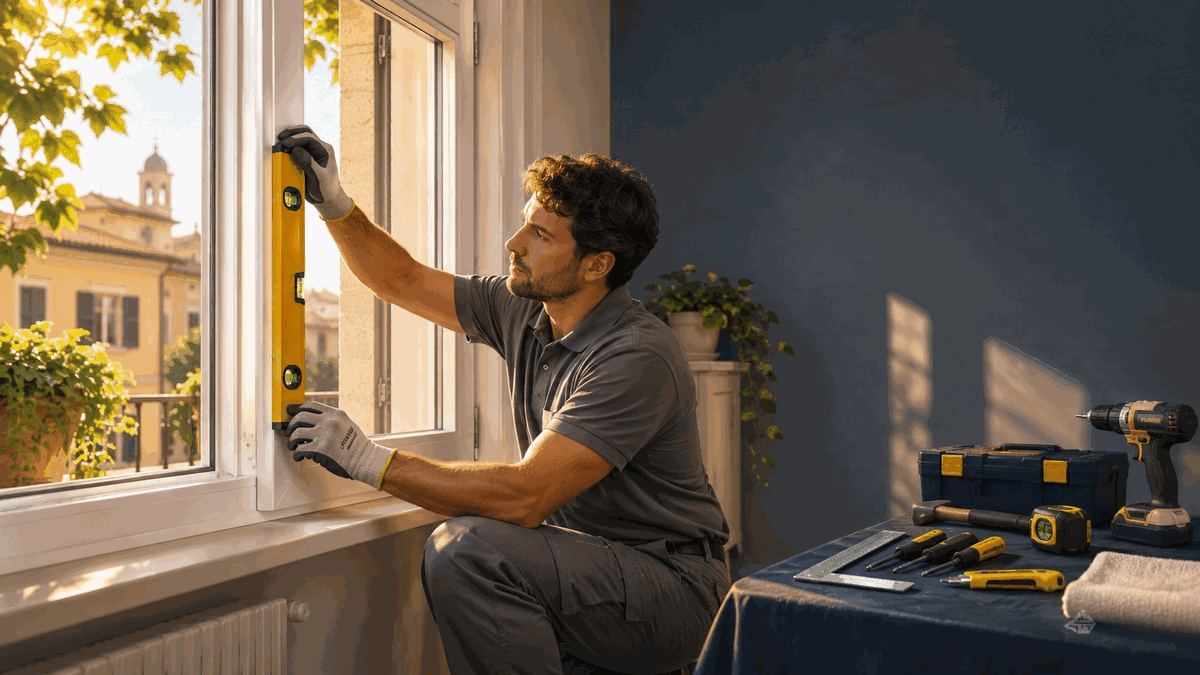
Sara and Marco have lived in a flat in Cinisello Balsamo for eight years. Last autumn they changed every window and the boiler, and when they brought the invoices into the office the first question was: «this ENEA business we keep hearing about - what exactly is it?». The answer is simple: ENEA is the agency that receives the notification about works that save energy, and without that notification the tax deductions tied to the works risk turning into a headache instead of a saving.
Beneath the expression «ENEA tax deduction» there are in fact two different incentives. The first is the ecobonus, the deduction for the energy efficiency of the building: windows and doors, external insulation, heat pumps, solar panels. The second is the home renovation bonus, the deduction for building works, which when it brings energy savings or renewable sources also passes through the notification to ENEA. Two routes, but the destination is the same: part of what you spent comes back to you as less tax, a bit at a time, for ten years in a row.
Be careful not to confuse the deduction with a refund: no cheque arrives and there is no separate claim to cash in. It is ten years of lower tax, and they are worth something only if you pay enough tax and if the chain of documents, notifications and payments is in order. That is exactly the kind of work we do at the counter: putting the pieces in a row before they become a problem.
In short
The ENEA tax deductions are the ecobonus (works that save energy) and the home renovation bonus (building works that touch energy). Both are recovered over ten years through the tax return, and both require the notification to ENEA within 90 days of the end of the works.
What you get in 2026: rates and caps

The question that arrives most often at the counter is always the same: «how much comes back to me?». In 2026 the ecobonus rules were confirmed and they are simpler than a few years ago, when every intervention had its own percentage. Now the rate is the same for every kind of work and changes only according to the home you are working on.
The 2026 rates and what changes in 2027
- Main home in 2026: a deduction of 50% of the spending incurred, split into ten equal yearly instalments.
- Other homes in 2026, so second homes and rented properties: a deduction of 36%, again in ten yearly instalments.
- In 2027 the rates come down: 36% on the main home and 30% on the others, with the same split over ten years.
- Works started in January 2026 pay better than works put off to 2027: the gap between 50% and 36% on a large spending is there to be seen.
On top of the percentage comes the cap, that is the maximum spending the deduction is calculated on: it depends on the type of work and it cannot be stacked without limit. These are large figures, but they are meant to be looked at before the works are ordered, not after.
The caps by type of work
- Whole-building energy upgrade: a maximum deduction of 100,000 euro.
- Work on the envelope, so external insulation, insulating layers, windows and doors: 60,000 euro.
- Solar shading and solar panels for hot water: 60,000 euro each.
- Replacement of winter heating systems, heat pumps included: 30,000 euro.
- Professional fees and the connected building work count towards the cap of the main intervention.
An example with real numbers. Sara and Marco spent 12,000 euro on the windows and 9,000 on the heat pump, on the main home. That is 21,000 euro of spending inside two different caps: at 50% it makes 10,500 euro of deduction, which enters the 730 ten times as 1,050 euro of less tax every year. It is not money straight away, and it is worth knowing that before the building site opens.
Watch how much IRPEF you pay
The deduction is subtracted from the tax you owe: if in one year you pay less IRPEF than you owe, the excess is not refunded and does not carry over to the year after. Anyone on a low income or with many bonuses already running risks not recovering the lot. Before committing to works worth tens of thousands of euro, the arithmetic on your tax position comes first: in the office we do it in a few minutes, with your latest 730 or your certificazione unica in hand.
The golden rule
Rate, cap and IRPEF room are the three numbers that decide how much you really recover. Two of them you find in the rules, the third you only discover by looking at your tax position: it is the first check worth doing.
Who can claim the deduction

The deduction does not belong only to the owner of the whole house. The underlying rule is that it belongs to whoever actually bears the spending: bank transfers, invoices and notifications must carry their details. Those who can benefit are:
- The owner or the bare owner of the property and anyone holding a real right of use, such as a usufructuary.
- Anyone living in the property with a personal right: tenants and borrowers, for the works they pay for.
- The family member living with the holder of the property, so spouse, relatives within the third degree and in-laws within the second, and also the de facto partner, provided they pay and the invoices are in their name.
- Anyone who has signed a registered preliminary contract and has already taken possession of the property.
These are situations we see every week in Cinisello Balsamo: the son changing the windows in the house where he lives with his parents, the couple renting who installs the heat pump, the man fixing up the flat he took with a preliminary contract. In all of these the right is there, but only if the chain of documents is consistent: whoever pays, whoever receives the invoice and whoever bears the spending have to be the same person. If your situation is not standard, bring it to the office and we look at it together before the works start.
Which works have to be notified to ENEA

Not every home improvement goes through ENEA: the notification concerns the interventions that genuinely improve the energy performance of the building or install renewable sources. These are the works that, taken on their own or inside a wider renovation, touch walls, windows, systems and shading.
- Replacement of windows and doors, with a matching improvement in thermal performance.
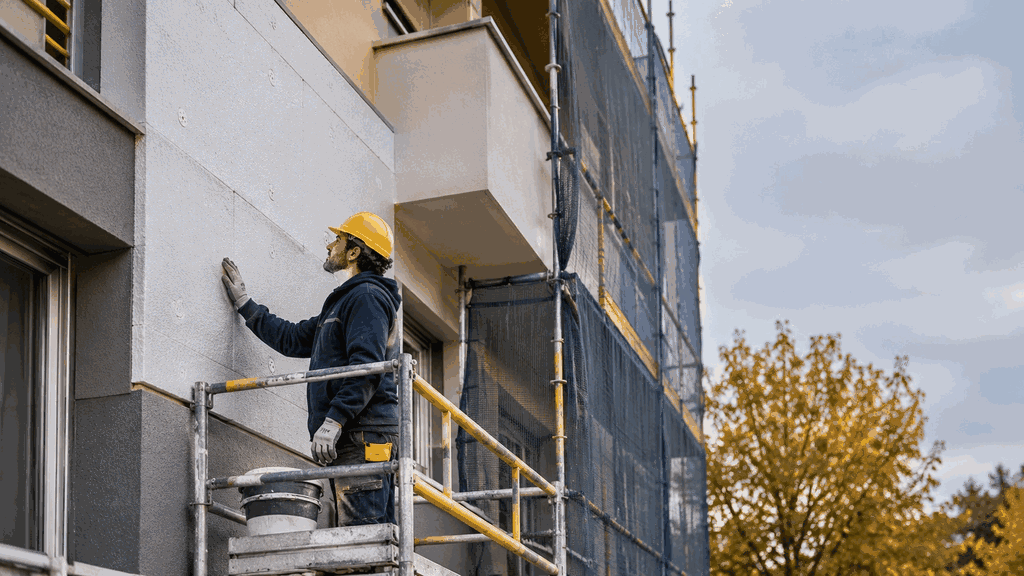
- Insulation of the envelope: external insulation, injected insulation, insulating of roofs and floors.
- Heat pumps, hybrid systems and high-efficiency winter heating plants.
- Solar shading, blinds included, and solar panels for the production of hot water.
- Biomass heat generators and micro-cogeneration units replacing existing systems.
- Building renovation works that bring energy savings or the use of renewable sources: for these the notification has been compulsory since 2018.
Left out are ordinary maintenance that does not touch energy, such as painting walls or changing bathroom fittings, and spending on furniture and appliances, which have rules of their own. An important exclusion concerns boilers: since 2025, replacing the system with generators running on fossil fuels no longer gives the right to the deduction. It pays to choose renewable or high-efficiency hybrid technologies, and to frame the works properly before anything is ordered.
The technical requirements updated in 2026
The technical handbook published by ENEA on 23 September 2026 set out in black and white the requirements for works started from 4 February 2026: heat pumps need the seasonal parameters SCOP, SEER and SPER, while biomass generators have to be five-star class. These are details the contractor or your engineer knows, but they have to be checked before the invoice: if the product does not meet the right requirements, the deduction becomes open to dispute.
The notification to ENEA: what it is and when it expires
The notification to ENEA is a descriptive record of the intervention, transmitted electronically to the national agency for energy efficiency. It serves to describe what was done, with which materials and how much energy is saved: it is the document that links your works to the deduction you want to recover.
The deadline is one and it admits no interpretation: 90 days from the date the works ended. And the end of the works is not the day the contractor fixes the last detail, but the date of the testing, or of the statement of the system's operation, of the completion certificate or of the declaration of conformity, depending on what was done. Getting that date wrong is the most common mistake we see: that is why we work it out with you, on the real documents.
When the transmission goes through, the ENEA system assigns the CPID code, the personal code that identifies your practice, and sends a confirmation message. That receipt, or the printed record showing the CPID and the transmission date, is kept with the invoices: in an audit it is the document proving the notification was made. Then, once the works are over, if further spending arrives on the same intervention, the record is completed within the deadline for filing the tax return.
The portal dates in 2026
The ENEA telematic portal for deductions has been active since January 2026 and in June the agency updated its procedures with a specific notice: for some works stalled in the middle of the year the deadline moved to 23 September 2026. These shifts matter only if your works straddle those dates, and we check them case by case before anything is sent.
In short
Notification to ENEA within 90 days of the end of the works, with the completion date taken from the testing or from the certificates. The receipt with the CPID code is kept together with the invoices. Spending after the transmission is added by completing the record.
Documents and payments to keep
For the ENEA tax deductions the documents are not an add-on: they are the deduction. In a tax audit an invoice is not enough, you need the whole chain proving who paid, for what, under which entitlement and with which notification. Here is what belongs in the folder, from the first day of the works:
- Invoices from contractors and professionals, with the description of the works carried out.
- Receipts for the talking bank transfers, with the reference line, the tax code of the payer and the contractor's details.
- Receipt of the notification to ENEA with the CPID code and the transmission date.
- Planning permissions with the filing receipt: building permit, CILA, SCIA or free-development notification, depending on the works.
- Technical statements, certificates of conformity and energy performance attestations, where required.
- The condominium resolution and the share tables, for works on the common parts of the building.
The right bank transfer is worth as much as the deduction
Payment is the point where more deductions are lost than anywhere else. For these expenses you need the talking bank transfer, a bank or postal transfer showing the reference line that cites the deduction rules, the tax code of whoever pays and the tax code or VAT number of the firm receiving the payment. Cash is no good, and neither is a generic transfer with no reference line: in an audit that payment does not count. If you pay with finance, the deduction applies all the same, provided the finance company settles the firm with a transfer that carries your details.
Watch out
Keep everything for at least ten years, as long as the deduction lasts: invoices, transfers, planning permissions and the ENEA receipt. An organised folder today is worth thousands of euro tomorrow, and the absence of the CPID code is the first thing to be challenged.
If the deadline has passed and how to recover it with the CAF of Cinisello Balsamo
It happens often: the works end in June, between building sites and moves the notification to ENEA slips down the list, and in November somebody notices. The good news is that a missed deadline is not the end of the deduction. The bad news is that it has to be put right straight away, with the right papers.
The route provided for anyone who sent the record past the 90 days is the remissione in bonis, the regularisation of formal obligations not met in time: it involves a payment of 250 euro and the sending of the notification within the deadline for filing the first tax return that can take it. On top of that, the Court of Cassation, with two rulings in 2025, clarified that sending the ENEA notification late or not sending it does not cause the deduction to lapse. These are important indications, but they have to be applied to the individual case: they are not a reason to leave everything as it stands.
The route at our CAF patronato of Cinisello Balsamo, in Via Oreste Terenghi 21/23, is simple. You book the appointment: we are open from Monday to Friday, 10:00 to 12:30 and 15:00 to 19:00, and you can call us or write to us on WhatsApp. At the appointment a member of staff looks at your documents, checks dates, rates and caps, verifies whether the notification to ENEA has been made or still has to be made, and prepares the return with you to recover what you are entitled to. The quote for our service is given to you before starting, and the first consultation in the office is free. You do not have to study the rules or prepare applications: we fill in, check and send everything.
- ID document and tax code, yours and your spouse's if you file the return together.
- Invoices and receipts for the bank transfers of the works, with the firm's or the professional's details.
- Any receipt of the notification to ENEA with the CPID code, if it has already been kept.
- Planning permissions for the works and technical or conformity statements, if you have them.
- The previous year's return, so we can check straight away which instalments have already been taken and which are left.
Back to Sara and Marco. They brought into the office an envelope with the window invoices, the bank transfers and the heat pump manual: the only thing missing was the notification to ENEA, which nobody had made. We prepared it together and sent it in the days that followed, and their return went off with the first instalment already in sight in the January payslip. «We thought we had lost everything», said Sara. Instead all it took was the right documents, and someone reading them with care.
The questions we are asked most
The five questions that come up most often at the counter on the ENEA tax deductions. If yours is not here, call us: the first consultation in the office is free.
Document checklist: check your application in 30 seconds
Tick the documents you already have: you arrive prepared at the counter and avoid a second trip.
0/7
Time saved at the counter: up to 30 minutes
Message us on WhatsAppQuestions we get most often
What is the ENEA notification and when is it needed?
It is the descriptive record of the works that save energy, transmitted electronically to ENEA. It is needed both for the ecobonus and for the home renovation bonus when the works bring energy savings or renewable sources, for example windows, external insulation, heat pumps or solar shading. We prepare it and send it at the appointment.
By when must the record be sent to ENEA?
Within 90 days of the date the works ended, which matches the testing, the statement of the system's operation, the completion certificate or the declaration of conformity, depending on the intervention. On transmission the system assigns the CPID code: the receipt is kept with the invoices.
What happens if the notification is late?
The deduction does not lapse: the Court of Cassation clarified this in 2025. To put the delay right the remissione in bonis is used, with a payment of 250 euro and the sending of the record within the deadline of the first tax return that can take it. Every case is different: bring us the documents and we look at the right route together.
How much do you get with the ecobonus in 2026?
50% of the spending on the main home and 36% on the other homes, in ten equal yearly instalments, up to the caps by type of work: 100,000 euro for the whole-building upgrade, 60,000 for the envelope, windows, shading and solar panels, 30,000 for winter heating. In 2027 the rates drop to 36% and 30%.
Which documents do the ENEA deductions need?
Invoices for the works, receipts for the talking bank transfers, planning permissions with the filing receipt, technical or conformity statements where required and the receipt of the notification to ENEA with the CPID code. For works on the common parts of a building you also need the resolution and the share tables. We check them at the appointment, one by one.
Recommended
- 730 / Income Tax Return
- pre-filled 730 2026 - Pre-filled 730 2026: what it is, the dates and how to check it
- when does the CUD arrive - CUD INPS 2027: when it arrives and who receives it
- child tax deduction 730 - Child tax deduction 730 2026: how to claim for your children without mistakes
- mortgage deduction 730 - Mortgage deduction 730: how to claim back the interest on your first home
- pensioners tax return Italy - Pensioners tax return 2026: who must file and how to do it
- mortgage interest deduction 730 - Mortgage interest deduction 730: how much you get back every year
- medical expenses deduction 730 - Medical expenses deduction 730: how to get 19% of your treatment costs back
- CU Italy 2027 - CU Italy 2027: the Italian Single Certification, what it is for and when it arrives
- correct 730 after filing - Correct 730 after filing: how to fix it after the deadline
- 730 integrativo deadline - 730 integrativo deadline 2026: what it is and when to file
- 730 refund when does it arrive - 730 refund 2026: when it arrives and how to check the payment
- 730 in debit - 730 in debit: what happens and how to put it right, step by step
- Italy pre-filled 730 - Pre-filled 730 Italy: what it is and how to check it without mistakes
- 730 tax return deadline - 730 tax return deadline 2026: 30 September is the last day to file
- IMU and Local Taxes
- imu 2026 first instalment - IMU 2026: the first instalment on 16 June, who pays and how it is calculated
- IMU deadlines 2026 - IMU deadlines 2026: the June instalment and the dates you cannot miss
- IMU deadline 2026 - IMU deadline 2026: the right dates and the sums that add up
- imu rates cinisello balsamo - IMU in Cinisello Balsamo: the 2026 rates
- imu 2026 second instalment - IMU 2026: the second instalment due 16 December
- tari 2026 deadline - TARI 2026 deadline: instalments and final balance in Cinisello Balsamo
- NASpI and Unemployment
- naspi application cost - NASpI application cost: what you pay and what the service includes
- NASpI benefit buying a home - NASpI benefit and buying a home: what you really get and how to move
- when does naspi payment arrive - NASpI payment: when it arrives and how to check the credit
- how to apply for naspi - How to Apply for NASpI 2026: Eligibility, Deadlines and Amounts
- Modello Redditi PF (formerly Unico)
- IRPEF instalment payment code - IRPEF instalments and payment code: the guide to the November payment
- file a late tax return - Omitted tax return: how to fix it without losing your head
- F24 advance payment deadline - F24 advance payment deadline 2026: 30 November and how to get it right
- Italy tax return deadline 2026 - Modello Redditi PF 2026 Deadline: the two November dates to remember
- Tax Advice and Disputes
- register for VAT in Italy - Register for VAT in Italy 2026: the deadlines of your first year
- INPS tax bill instalments - INPS tax bill instalments: how to pay monthly without losing the plan
- F24 third-quarter deadlines - Third-quarter F24 deadlines: advance payment, VAT and what to do if you pay late
- Italy tax advance payments 2026 - Income tax advances 2026: what you pay in November and what you pay in December
- Patronato INPS and Pensions
- 13th month pay 2026 when it arrives - 13th month pay 2026: when it arrives and who gets it
- early retirement for women Italy - Early retirement for women: requirements, exit windows and 2027 changes
- tfr from 1 july 2026 - TFR from 1 July 2026: what changes and how you choose
- ISEE and DSU
- pre-filled ISEE INPS - Pre-filled ISEE INPS: what it is, what it contains and how to file it
- dsu 2026 isee - DSU 2026: when to request it and how to file it without errors
- ISEE 2026 income 2024 - ISEE 2026 income 2024: what you need and how to prepare the DSU
- Assegno Unico and Social Bonuses
- energy bills bonus 2026 - Energy bills bonus 2026: discounts on electricity, gas, water and waste
- italy single allowance 2026 - Italy single allowance 2026 and newborn bonus: the real figures and the dates to remember
- Immigration and Residence Permits
- work residence permit italy subordinate work - After the nulla osta: visa, contract of stay and work permit
- flows decree employer requirements italy - Flows Decree for employers: requirements, documents and mistakes to avoid
- Tax Bonuses and Reliefs
- Italy home renovation bonus 2026 - Home renovation bonus 2026: how much you get back and how to claim it
- Italy driving licence bonus 2026 - Driving licence bonus 2026: who gets it and how the voucher works
- Tenancy Agreements
- rental contract types - Rental contract types and deadlines: what to check
- cedolare secca 2026 - Cedolare secca and rental income in 2026: rates, dates and the right choices
- Civil Disability and Legge 104
- attendance allowance Italy 2026 - Attendance allowance Italy 2026: amounts, requirements and how it works
- Inheritance and Cadastral Transfers (Volture)
- inheritance deadlines - Inheritance deadlines: what has to be filed and when
- Cadastral and Mortgage Searches (Visure)
- land registry search - Land registry search: when you really need one and how to request it
- SPID and Digital Identity
- SPID and CIE - SPID and CIE: what they are for and when you need them
- Domestic Staff and Carers (Colf and Badanti)
- italy work visa 2027 - Decreto Flussi 2027: quotas, click day on 12 January and how to apply
Contact us
You will find us at Via Oreste Terenghi, 21/23, 20092 Cinisello Balsamo (MI), opposite the ASL. Call us or message us on WhatsApp to book an appointment. Quote always given before we start. We will see you at Via Oreste Terenghi, 21/23, 20092 Cinisello Balsamo (MI).